
Follow the Maqui River toward its source on a three-day horseback journey along one of the most revealing edges in the landscape.
The Maqui Gateway is a window into how this landscape really works.
The Maqui Gateway is a three-day horseback journey following the Maqui River from the rural lands surrounding Puerto Guadal toward its source in the high country.
Forest on one side. Open country on the other. We ride between rural and wild, toward the twin turquoise lagoons where the Maqui begins.
As we climb, something remarkable begins to happen.
The forest starts to break apart.
Sloping Nothofagus-covered hills meet wide, open grasslands.
These are the veranadas—high-country pastures historically used by local ranchers during the warmer months, part of a seasonal way of moving livestock through the landscape.
For much of the journey, we travel along this edge.
Forest on one side. Open country on the other.
But this isn’t only a boundary between vegetation types.
It is also an edge between rural and wild.
Between the landscapes people have worked for generations and the mountain country beyond.
Between valleys and headwaters.
Between ancient environments preserved as fossils and the living ecosystems surrounding us today.
Eventually, we end up at the twin turquoise lagoons at the headwaters of the Maqui River.
And suddenly, the journey makes sense.
The river, forests, pastures, geology, horses and history are not separate attractions.
They are parts of the same living system.
The Maqui Gateway offers a taste of what Errática expeditions are about: going beyond scenery to understand how a landscape actually works.
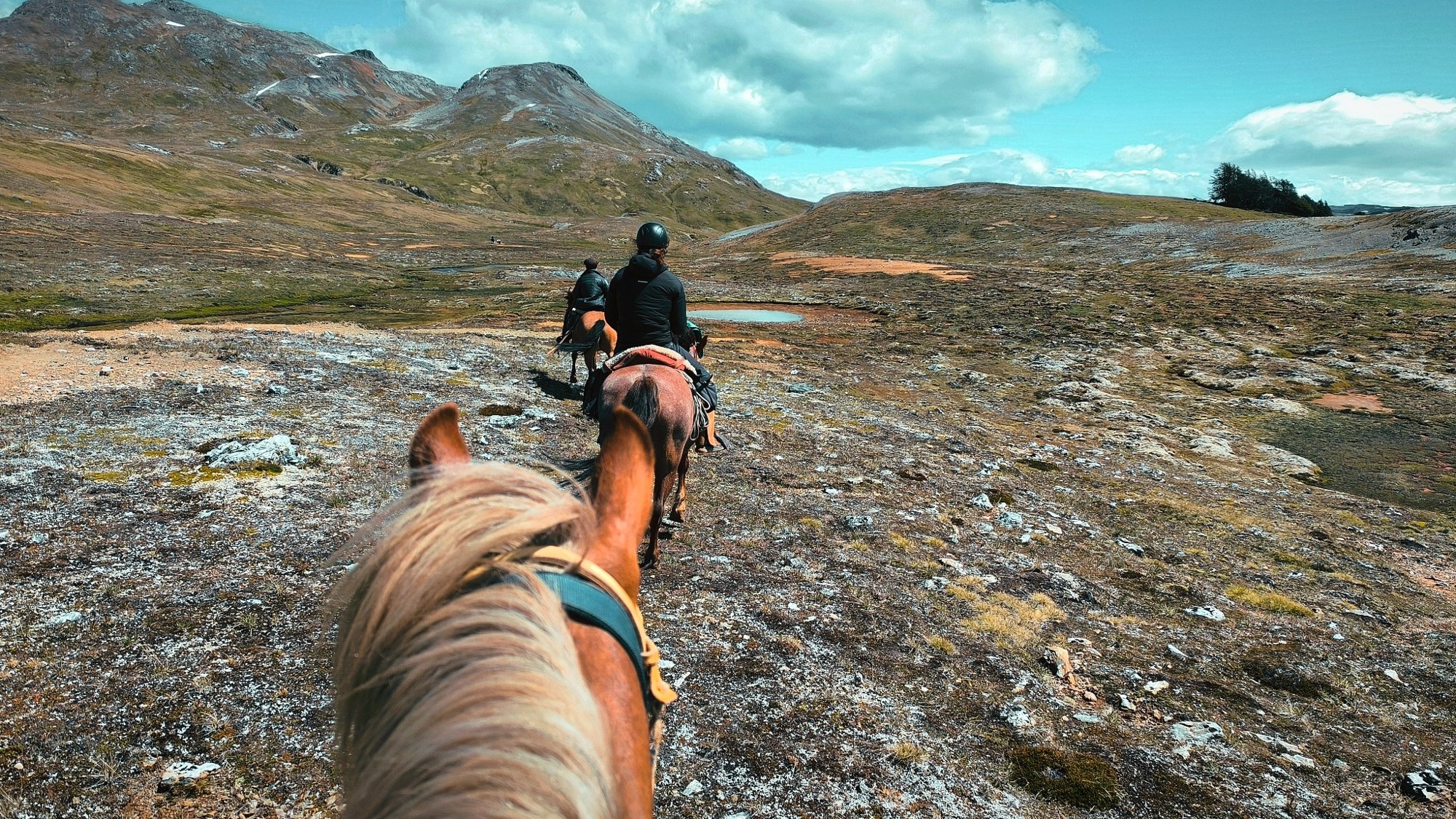
You learn to read fossils and physical clues to piece together what this landscape was millions of years ago.
You understand why locals used these mountains as they did, connecting the land to generations of rural life.
You see how forest, water, and terrain are all linked, and why the landscape changes the way it does.
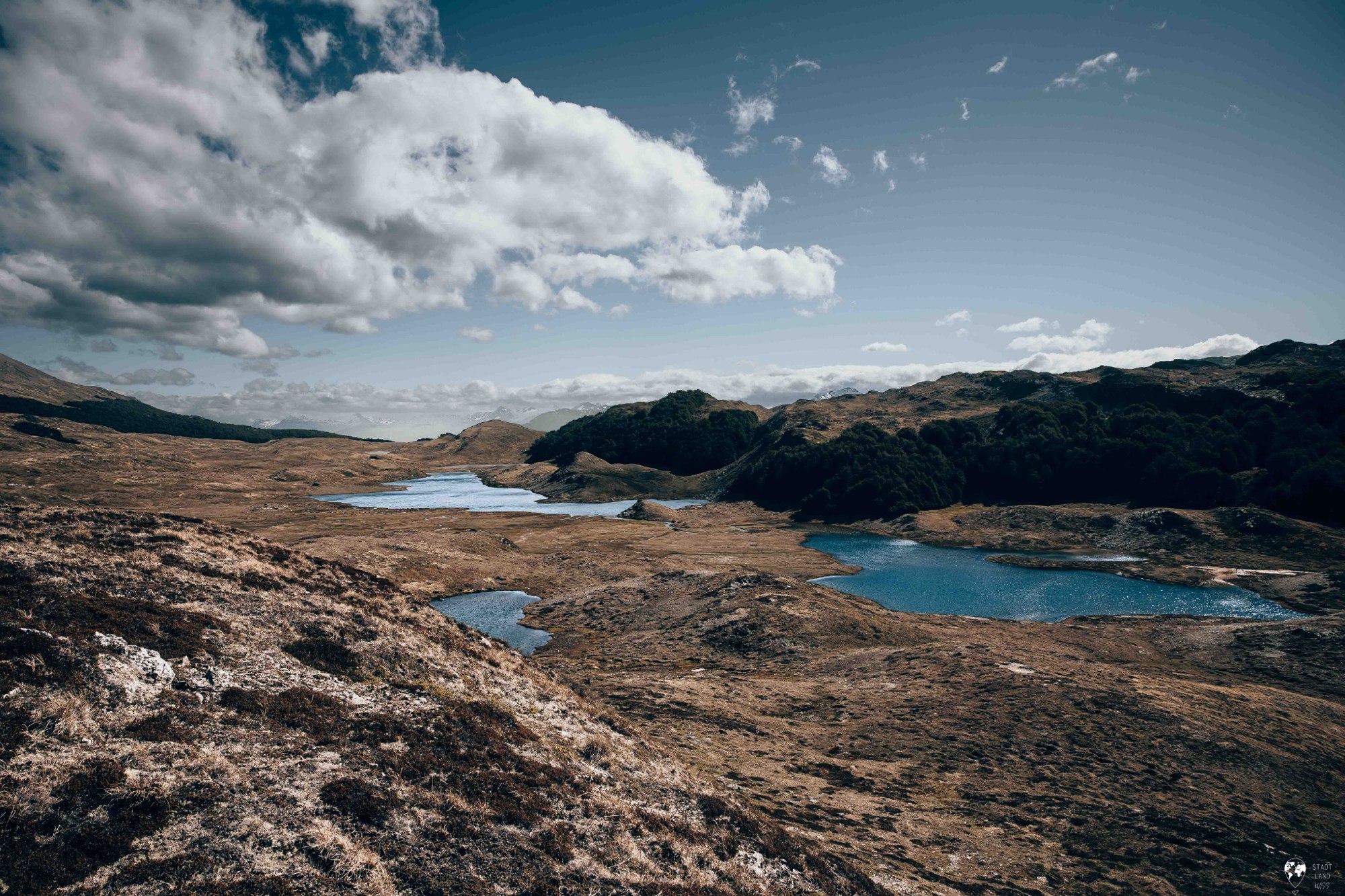
Travel upstream on horseback from rural lands toward the twin high-country turquoise lagoons where the Maqui River begins.
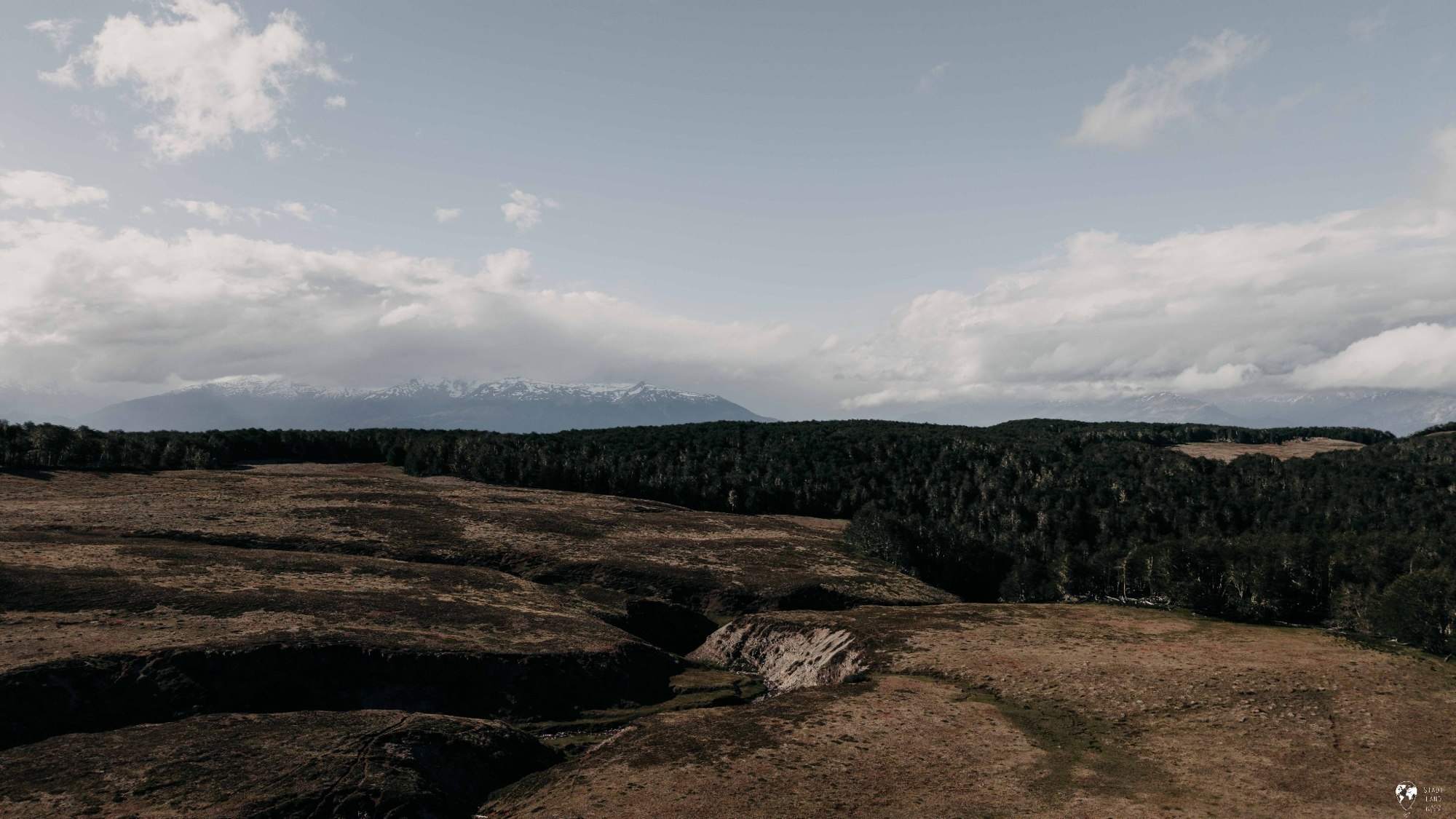
Follow the remarkable boundary where sloping Nothofagus forests meet flat, open high-country grasslands.
Experience the open summer pastures that form part of the traditional seasonal landscape of rural livestock and horseback culture.
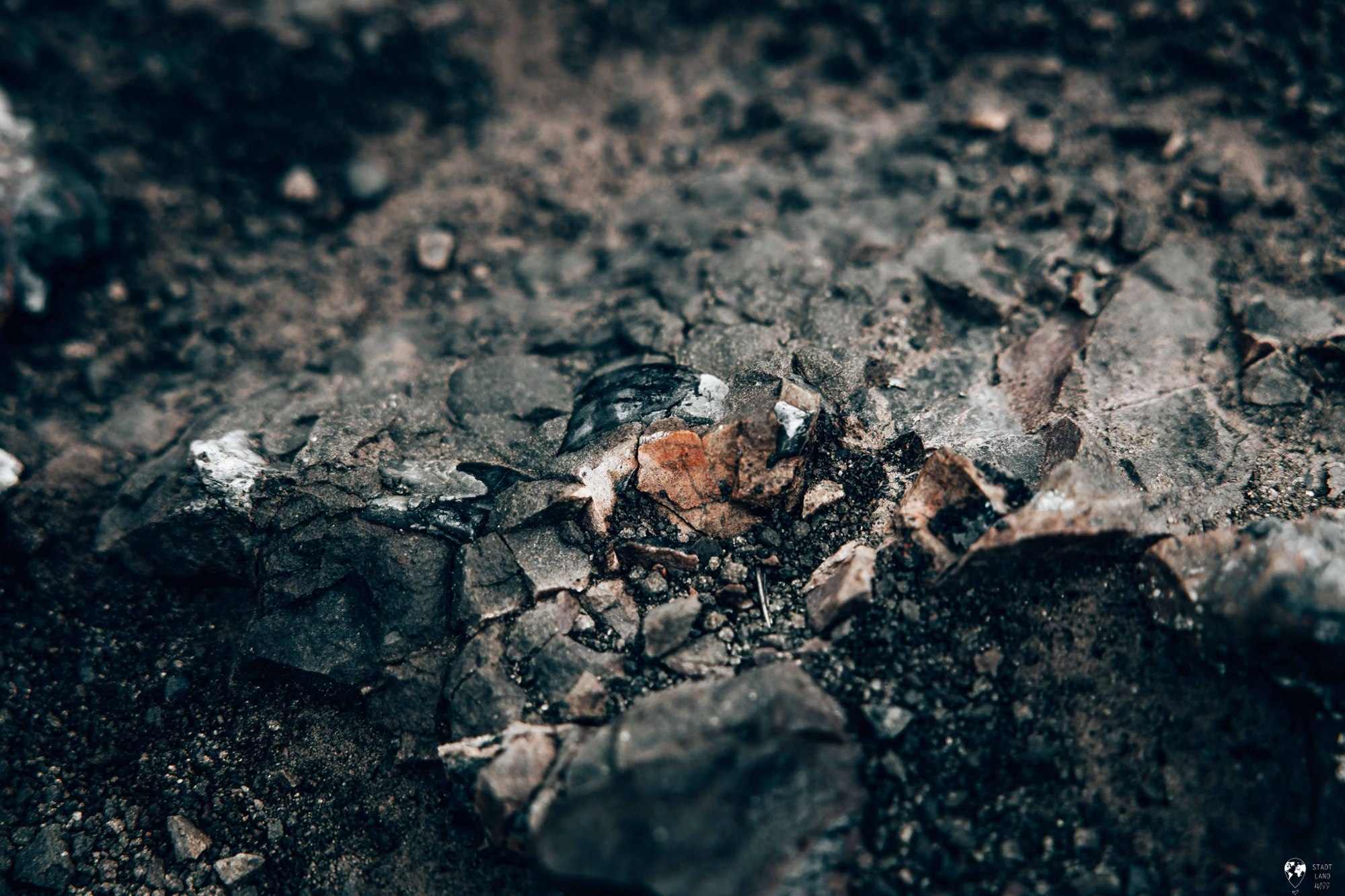
Explore fossil-bearing landscapes containing evidence of ancient mammals and marine environments radically different from Patagonia today.
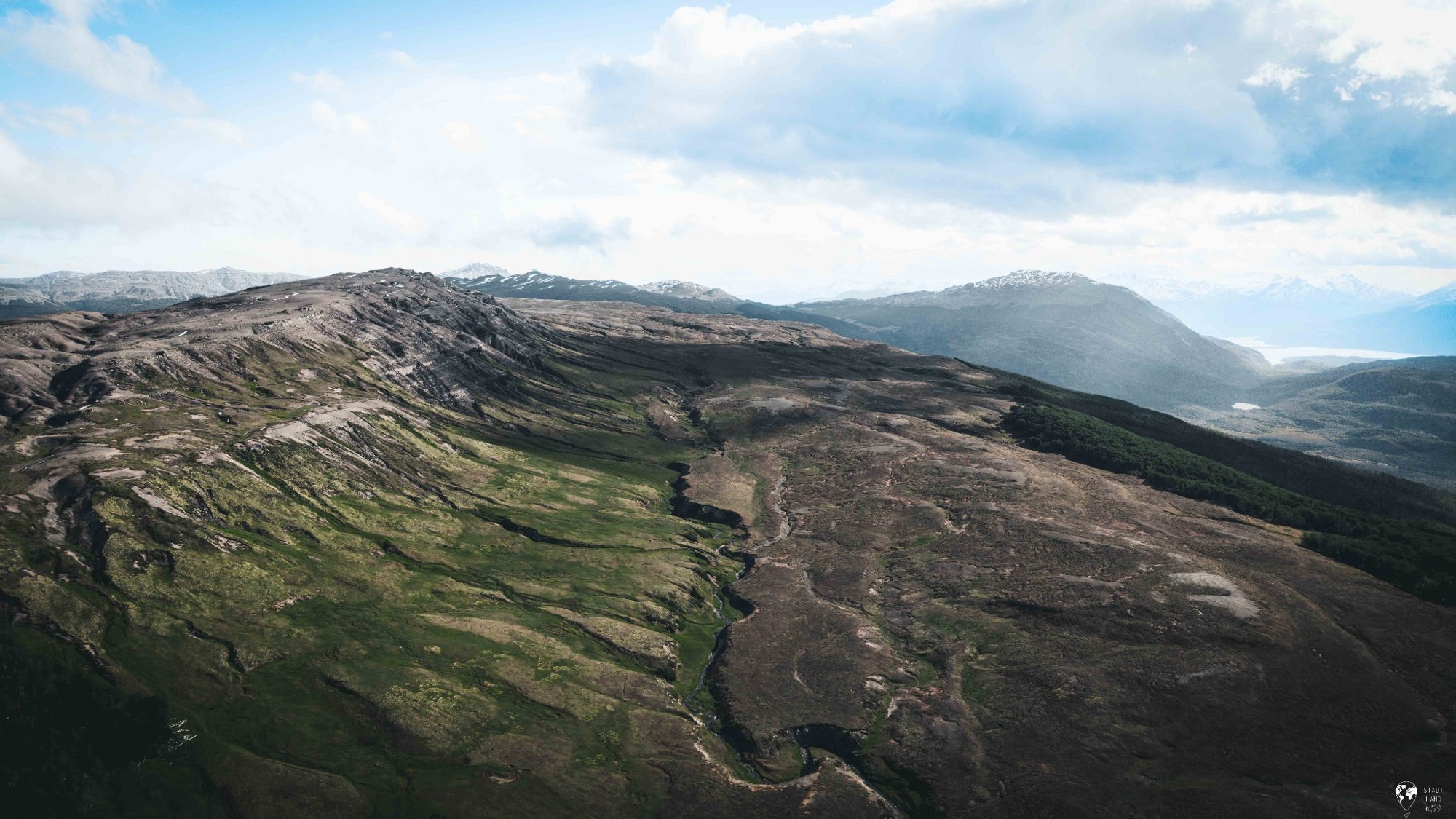
Spend a night beside the twin Maqui lagoons, surrounded by high country beneath Lindero Magallanes mountain.
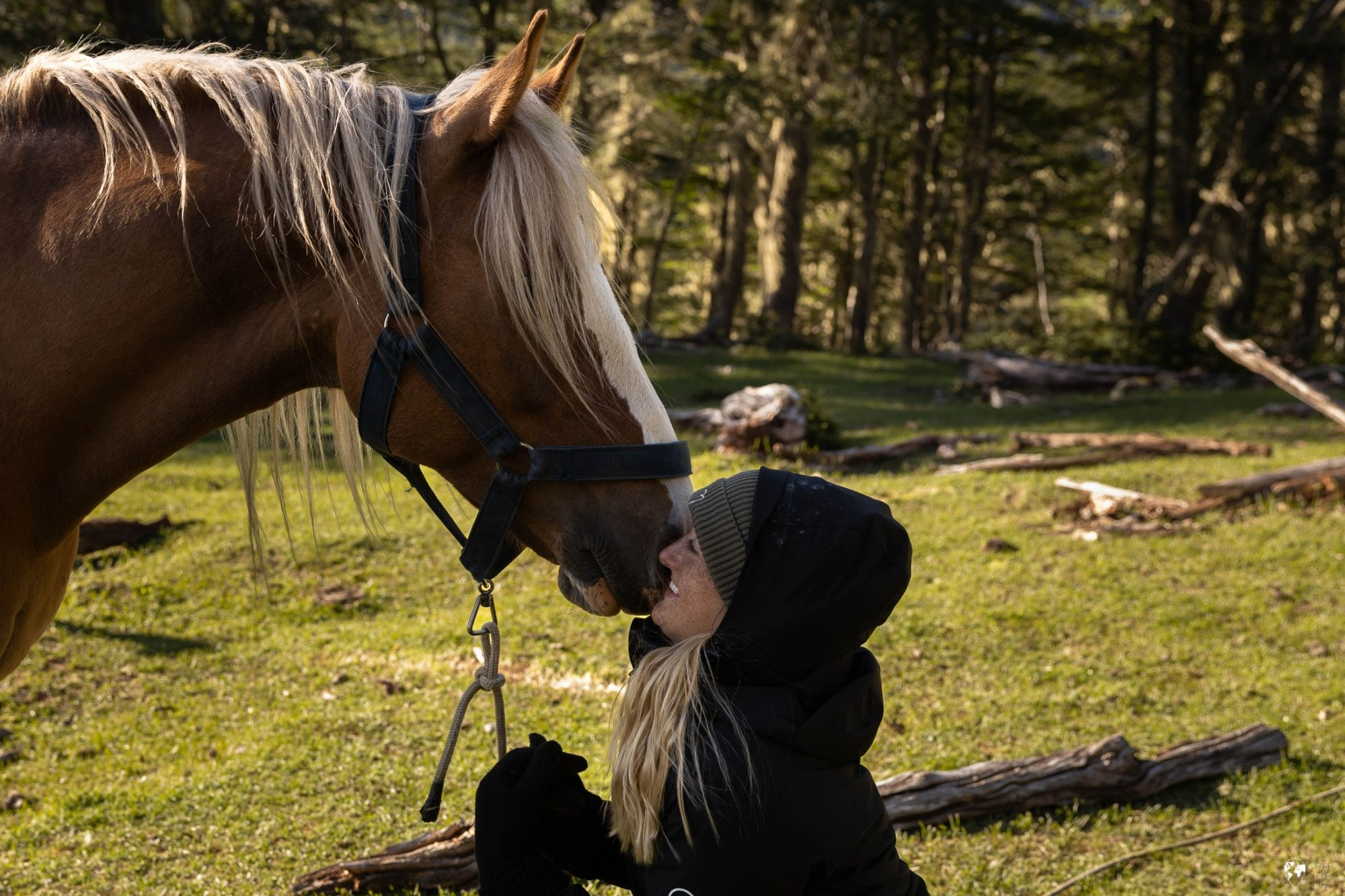
Connect water, geology, forest, grassland, rural land use and natural history into one living system.
From rural lands to the headwaters, then home with a different understanding of the territory.
Rural lands & deep time
Meet the Errática team at Centro Errática, prepare your equipment and get acquainted with your horse before leaving the road behind.
We begin riding through local ranches and rural landscapes toward our remote camp at Palo Blanco.
This first section introduces a central idea of the expedition: landscapes are layers of time.
In the afternoon, we continue on foot toward a nearby fossil-bearing site, where evidence of ancient mammals opens a window into environments that existed here millions of years before today’s forests, rivers and grasslands.
The expedition begins by looking beneath the landscape we can see.
Before understanding where we are going, we begin by understanding what was here before us.
Overnight: Palo Blanco expedition camp.
Forest · Veranada · Water
Today we follow the Maqui deeper into the high country.
This is where the meaning of The Maqui Gateway begins to reveal itself.
As we gain elevation, sloping Nothofagus forests increasingly meet wide, open grasslands.
We ride along this ecological edge.
On one side, forest.
On the other, the open high-country pastures traditionally used as veranadas.
These landscapes reveal both ecological and rural history. The same changes in altitude, water, terrain and vegetation that shape natural communities also influenced where livestock could graze and how local people moved through the mountains.
Along the way, marine fossils reveal another transformation entirely: evidence that this mountain landscape was once part of an ancient environment radically different from the one beneath our horses today.
Eventually, we reach the headwaters.
Two lagoons appear beneath the surrounding mountains—the birthplace of the Maqui River we have been following upstream.
Here we establish camp.
We have followed the water to its beginning and crossed from the rural valley into the high country.
Overnight: Maqui lagoons expedition camp.
From source to rural lands
We wake beside the headwaters of the Maqui.
Today, we reverse the journey.
Descending on horseback, we follow water away from its source and watch the landscape reorganize itself around us.
Open high-country pasture meets the treeline.
Nothofagus forest thickens along the slopes.
Streams gather.
The river grows.
Mountain country gradually reconnects with the rural landscape below.
Seen in reverse, the relationships become even clearer.
Water connects high country to valley.
The forest edge connects different habitats.
The veranadas connect rural livelihoods to seasonal cycles.
Old horseback routes connect generations of people to the mountains.
And fossils connect the landscape we see today with worlds that disappeared millions of years ago.
We return to Centro Errática having completed a relatively short expedition—but with a much larger understanding of the territory we crossed.
The Maqui Gateway isn’t simply a route into the mountains.
It is a gateway into understanding the landscape.
Want to go further? Ask about an additional day and a guided ascent of Lindero Magallanes. Advance coordination, good physical condition and favourable weather are required.
per person · 3 days / 2 nights
Start & finish
Centro Errática, approximately 7 km from Puerto Guadal.
Riding level
Intermediate. Intermediate to advanced experience recommended; assessed before confirmation.
Physical demand
Moderate
Departures & group size
Small groups. Dates and group size confirmed with Errática.
Alexandra & Tobi · Laguna El Maqui expedition
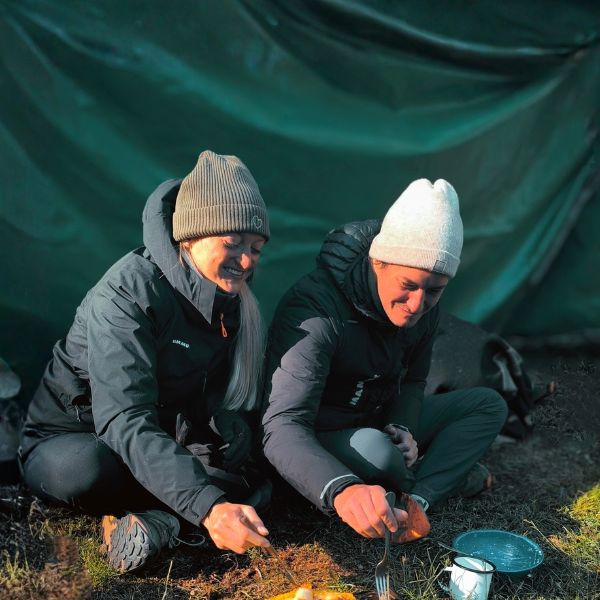
We had the pleasure of joining Ilango and Don Leo on the multi-day riding trail to Laguna El Maqui. And well, this adventure was fantastic from start to finish. From the warm welcome and introduction to the breathtaking scenery, wonderful horses, food cooked over the campfire, and finishing off with cold beer and juice, everything was just perfect. Ilango is a brilliant guide with great knowledge, and we had the best time chatting about God and the world around the campfire. We also felt very safe at all times, even as novice rider. Thank you guys so much for these amazing days! They will always remain core memories for us. Hope to see you again on another adventure!
All the best,
Alexandra & Tobi
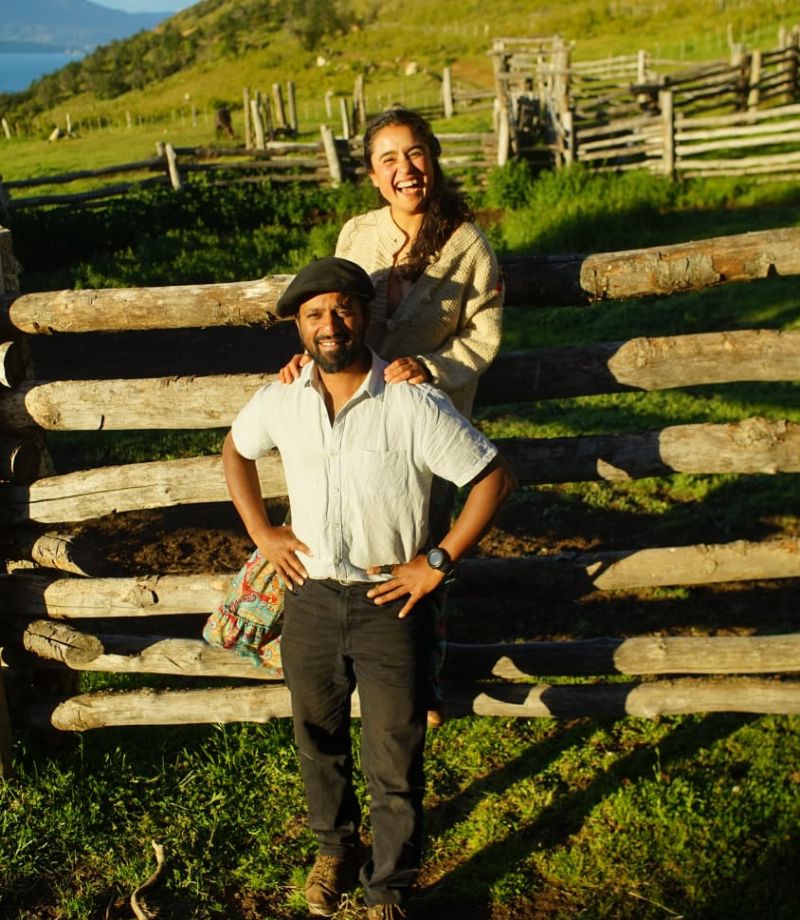
Errática was born from two different journeys that came together in Puerto Guadal, Patagonia.
Co-founder & Lead Guide
Wilderness guide and wildlife researcher with over ten years of experience in field research, conservation, and wildlife monitoring. He brings together science, exploration, and a deep connection with Patagonia’s rural landscapes.
Co-founder & Operations Lead
With strong roots in rural Chile, Totó brings experience in hospitality, sustainability, and community-based projects, shaping the warm and personal way we welcome every traveler.
The objective isn’t to record everything you see. It is to begin understanding why it is there.
Throughout the expedition, use your Errática Field Journal to record how the landscape changes as you move toward the headwaters.
Record observations, sketches, fossils, vegetation, water, wildlife signs, local terminology and questions along the way.
Because the journey follows the Maqui River toward its source while crossing one of the most revealing transitions in the landscape.
As we climb, sloping Nothofagus forests give way to open high-country grasslands and traditional veranadas.
We travel along that edge—between forest and open country, valley and headwaters, rural use and increasingly wild terrain.
But “gateway” also describes the purpose of the expedition.
It is a gateway into understanding how the landscape works.
A veranada is a high or remote grazing area traditionally used for livestock during the warmer months.
In the Maqui landscape, these open pasturelands form a striking contrast with the forested slopes and are part of the rural history of seasonal movement through the mountains.
Escoriales is a local term used for these open high-country areas encountered beyond or around the forest edge.
During the expedition, your guides can explain how local terminology reflects the way rural inhabitants understand and use different parts of the landscape.
The transition between Nothofagus forest and open grassland allows us to observe how environmental conditions influence vegetation and landscape structure.
It also has a human dimension: open high-country areas became important seasonal grazing landscapes.
That makes the edge interesting both ecologically and culturally.
The Maqui Gateway is primarily a field expedition. Observation and scientific interpretation are important throughout the journey, but the main purpose is learning how to read the relationships between geology, water, vegetation and rural land use.
For a stronger citizen-science component, Rural & Wild Corridor Expedition is the more appropriate Errática program.
The route includes fossil-bearing landscapes associated with ancient mammals and marine environments, allowing us to explore very different chapters in the geological history of the territory.
Intermediate to advanced riding experience is recommended.
The expedition involves long periods in the saddle and varied terrain, so Errática should evaluate riding experience and physical condition before confirming participation.
Participants should be comfortable spending several hours per day on horseback and moving through uneven and remote terrain.
Expect forest trails, open grasslands, wetlands, river crossings and changing Patagonian weather.
In remote expedition camps. Tents and sleeping bags.
The second night is one of the defining moments of the journey: camping in the high country beside the Maqui lagoons, close to the river’s source.
Tent and sleeping bag are not included as standard. Ask Errática about current rental options when booking.
Weather is part of expedition travel in Aysén.
Conditions can require adjustments to timing or route, and travelers should maintain some flexibility around their expedition dates.
Safety always takes priority over completing a fixed schedule.
Yes. Depending on conditions, physical ability and advance planning, the expedition can potentially be extended with an additional day and a guided ascent of Lindero Magallanes.
If you cancel 30 days or more before departure, you may request a refund of the deposit paid. For cancellations within 30 days of departure, the deposit corresponding to 50% of the expedition price is non-refundable.
A half-day ride, a longer expedition or an itinerary built around your interests. Tell us what you have in mind.
Prefer email? info@erraticapatagonia.cl